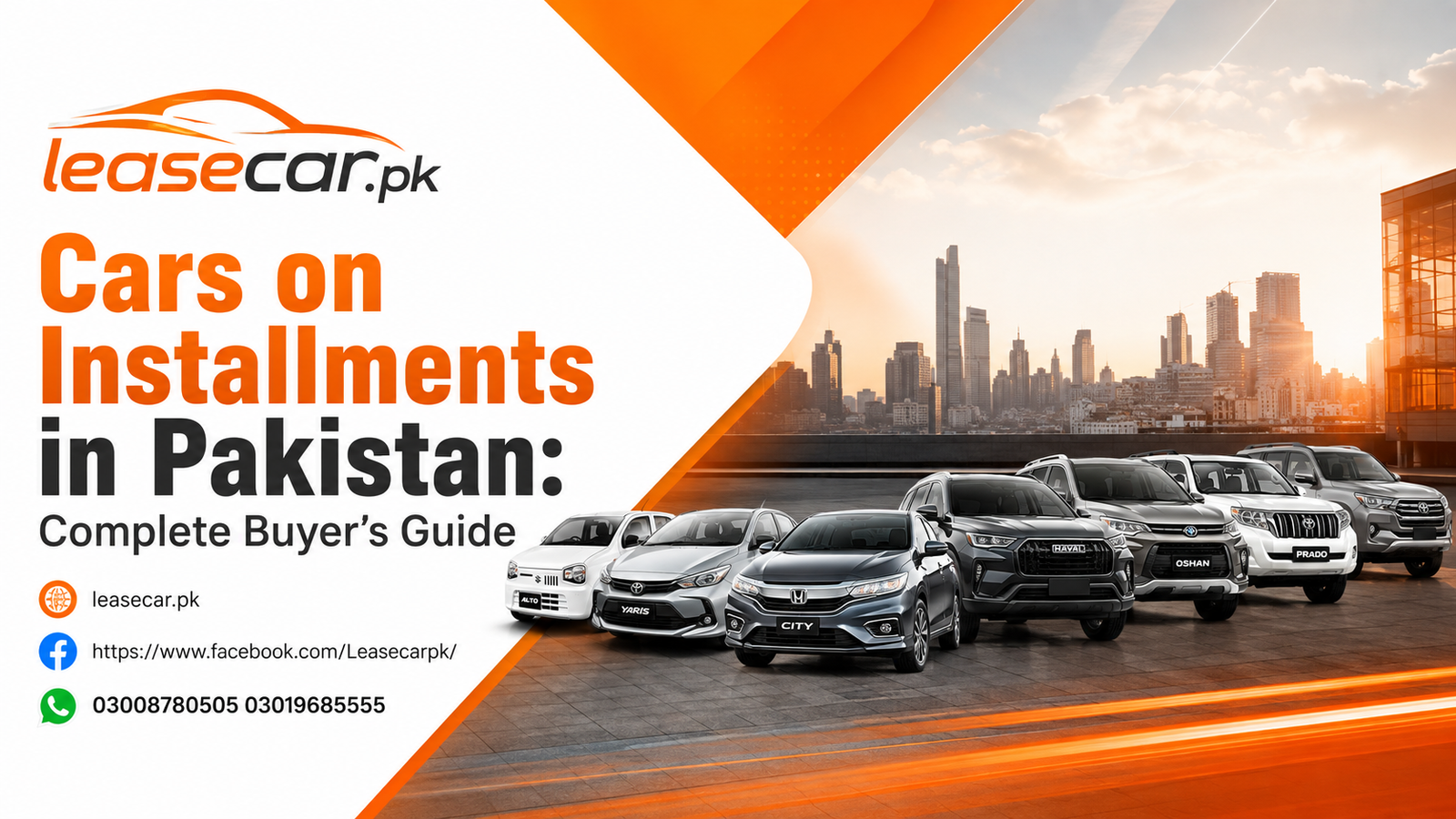
Buying a car in cash is not easy for many Pakistani families. Cars on installments in Pakistan offer an alternative by allowing buyers to spread the cost through monthly payments. However, the right plan is more than just the monthly payment. The car price, down payment, financing amount, bank fees, car insurance and monthly income should also be taken into account.
If you’re interested in a Suzuki, Toyota, Honda, Kia or any other car assembled locally, find out the total cost before entering into a financing arrangement.
How Do Cars on Installments Work in Pakistan?
With bank financing, you usually pay a down payment and finance the remaining eligible amount through a bank or Islamic financial institution. You then repay that amount through monthly installments over an agreed period.
The process usually starts with choosing an eligible car and checking whether you qualify for financing. You then submit your income and identification documents, pay the required upfront amount, and wait for the bank to complete its approval and documentation process.
Financing terms differ from one bank to another. For example, HBL lists financing for new and used locally manufactured vehicles, with financing of up to 70% of the vehicle value under its published terms. Its calculator also states that the estimated installment does not include insurance charges.
So, do not assume that the installment shown in an advertisement represents your full monthly or total cost.
New Cars on Installments: What to Check
New cars on installments can be easier to compare because you know the vehicle’s price and specifications. Depending on the bank’s approved vehicle list, buyers may consider models such as the Suzuki Alto, Suzuki Cultus, Suzuki Swift, Toyota Yaris, Toyota Corolla, Honda City, and Kia Picanto.
Before choosing a car, separate the main costs:
- Vehicle price: The current price charged for the car.
- Down payment: The amount you pay upfront.
- Financed amount: The portion covered by the bank or financing provider.
- Monthly installment: The amount you pay under the financing agreement.
- Insurance or takaful: This may be charged separately and should be included in your budget.
- Registration and taxes: These may also require separate payment.
- Tracker and documentation fees: Charges vary by financing provider.
When comparing installment car plans, do not focus only on the monthly payment. A lower monthly amount may come with a longer financing period or a different financing structure. Always compare the total amount you will pay before making a decision.
Used Cars on Installments in Pakistan
Used cars on installments can make sense when a new car is beyond your budget. A used vehicle may cost less upfront, but financing is not available for every car.
Banks may set conditions based on the car’s age, model, condition, registration, and market value. Some lenders may also limit financing to vehicles that meet specific age or locally assembled requirements.
Before you pay the seller, check with the bank and confirm that it can finance the exact car you want. You should also check the registration book, chassis and engine numbers, ownership history, token tax, and any existing bank financing.
And don’t ignore the car’s condition. A cheaper used car can become expensive if it needs major repairs soon after you buy it.
Read more: Do You Know About Bank Lease Cars in Pakistan: Here’s a 2026 Complete Guide
How to Choose the Right Installment Plan
The plan that has the lowest payment per month is not necessarily the most affordable. Consider the total amount to be paid throughout the entire term of the loan.
For example, imagine a car costs PKR 4,000,000 and you pay PKR 1,500,000 upfront. You wouldn’t just divide the remaining PKR 2,500,000 by the number of months. Final costs may be higher due to financing charges, insurance or takaful, taxes and other fees.
Ask the bank for a complete repayment or rental schedule before signing the agreement. This will show you what you will pay each month and over the full tenure.
Your monthly budget also matters. Have an adequate amount of cash for fuel, regular maintenance, tyres, registration fees and any other repairs. Even if financing is approved, if the installment is a large portion of your monthly income, the car may prove to be difficult to manage.
Bank Financing and Islamic Car Financing
Pakistani buyers can choose between conventional car financing and Shariah-compliant options. Conventional banks usually use terms such as interest or mark-up. Islamic banks may use structures such as Ijarah and other approved financing arrangements.
The terms can vary between banks. So, don’t assume every car lease works the same way. Read the financing agreement carefully and check how the bank handles ownership, payments, insurance or takaful, and early settlement.
The State Bank of Pakistan also sets rules for auto financing. Under the applicable regulations, the maximum auto-financing tenure is three years for vehicles above 1,000cc and five years for vehicles up to 1,000cc.
Banks can also apply their own conditions. Before applying, check the current financing limits, eligible vehicles, tenure, income requirements, and applicable charges with the bank.
Can You Transfer a Bank-Leased Car?
A bank-financed car cannot be sold like a vehicle that has already been paid for. If the bank still has a financial interest in the vehicle, you must follow its process for settlement or transfer.
If you are considering a bank leased car for sale, first confirm the outstanding financing with the bank. Ask for written details about the balance and the steps required to transfer or settle the financing.
Don’t hand over a large payment based only on the seller’s promise that the lease will be transferred later. The bank must approve the relevant process and complete the required documentation.
A proper transfer protects both the buyer and seller. It also reduces the risk of ownership disputes, unpaid installments, or problems with vehicle documents.
How to Choose Cars on Installments in Pakistan
Before choosing a financing plan, compare three key figures: the upfront payment, the monthly installment, and the total amount you will pay.
Don’t stop at the advertised monthly payment. Ask the bank or financing provider:
- Does the payment include insurance or takaful?
- Are registration and other government charges included?
- Is there a processing or documentation fee?
- Is the installment fixed or can it change?
- Are there charges for early settlement or partial payments?
- What happens if you miss or delay an installment?
- Is the exact new or used car you want eligible for financing?
These details can make a big difference between two plans that look similar at first.
Read more: Are Bank Leased Cars Safe to Buy in Pakistan? Complete Buyer’s Guide (2026)
FAQs
Are Cars on Installments in Pakistan Cheaper Than Cash?
Not always. Financing lets you spread the cost, but financing charges, insurance, takaful, and other fees can increase the final amount. Compare the total financed cost with the cash price before deciding.
Can I Buy Used Cars on Installments?
Yes. Some banks and financial institutions finance eligible used vehicles. But each provider can set different rules for vehicle age, model, valuation, and condition. Confirm that the specific car qualifies before paying the seller.
What Costs Are Included in a Car Installment?
The installment usually covers the repayment or rental amount set out in the financing agreement. Insurance or takaful, registration, taxes, tracker charges, and documentation fees may be separate.
Can I Transfer a Bank-Financed Car to Someone Else?
It may be possible, but you must follow the financing institution’s process. Get the bank’s approval and complete the required documents before transferring the vehicle. A private agreement between the buyer and seller does not replace the bank’s approval.
What Should I Compare When Choosing an Installment Plan?
Compare the down payment, financed amount, monthly payment, tenure, financing charges, insurance or takaful, additional fees, and total amount payable. A lower monthly payment does not always mean a lower overall cost.